Mandala Vector Art Pattern Review
First Impressions: A Visual Journey
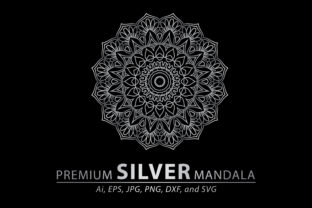
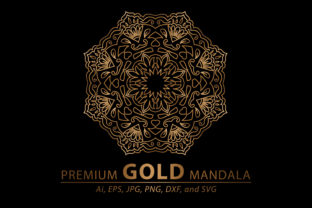
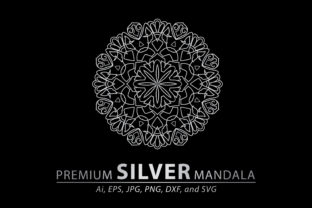
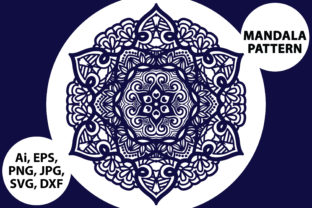
Opening the Mandala Vector Art Pattern files felt like stepping into a serene, meditative space. The design immediately exudes calm and balance, with its intricate geometric patterns and flowing lines. It's not just a pattern; it’s a visual experience that feels both timeless and modern. As an embroidery designer, I was struck by how well the layout works for machine embroidery design, especially when considering the need for clear outlines and defined areas for different stitches.
The mood this design creates is one of harmony and elegance. It's perfect for projects that aim to convey peace, mindfulness, or spiritual connection. Whether it's a custom embroidered tote bag or a personalized gift, the Mandala Vector Art Pattern has the potential to elevate the finished product from ordinary to extraordinary.
Real-Life Scenario: Embroidering a Custom Tote Bag
Imagine preparing a custom embroidered tote bag for a boutique client. The Mandala Vector Art Pattern would be an excellent choice here. Its symmetrical nature allows for seamless stitching on larger surfaces, and the detail level is just right—not too busy, but enough to catch the eye.
I envision this design working beautifully as a tote bag design, especially when paired with a soft, natural fabric like linen or cotton canvas. The clean lines and repetitive motifs create a sense of movement, which complements the organic shape of a tote. For a handmade product, this kind of visual appeal can make all the difference in customer perception and product value.
However, I’d be cautious about using this design on small hoop sizes. The complexity of the mandala requires enough space to show off its full beauty. If you're planning to stitch it on a smaller item like a patch or cap, I'd recommend simplifying parts of the design or adjusting the scale accordingly.
Embroidery Performance and Practical Use Cases
When it comes to performance, the Mandala Vector Art Pattern shines in several key areas. Its structure is ideal for applique design, allowing for easy separation of elements if needed. The vector format ensures crisp edges and clarity, even when resized, making it versatile for various embroidery project types.
This design could work well for custom apparel, such as sweatshirts, t-shirts, and baby clothes. It also holds up nicely on products like aprons, pillow covers, and tea towels—items where the embroidery needs to stand out without overwhelming the fabric texture.
For commercial embroidery, the Mandala Vector Art Pattern offers a consistent look that can be branded across multiple items. Whether it's for a small shop product or an Etsy listing, the design has the potential to become a signature element that customers recognize and appreciate.
That said, there are a few scenarios where extra care is needed. On stretchy fabrics or curved surfaces like caps, the design might require additional stabilizer or adjustments in stitch density to maintain its integrity. Also, when using dark fabric backgrounds, thread color contrast becomes essential to ensure the mandala remains visible and vibrant.
Design Notes for Embroidery Professionals
If you're planning to use the Mandala Vector Art Pattern in your next project, I recommend testing it on scrap fabric first. This helps identify any potential issues with stitch density or thread visibility before committing to a final product. Checking the stitch density is crucial, especially for dense areas where the fabric might pucker or distort.
Also, consider reviewing the hoop size required for your specific design. Since the Mandala Vector Art Pattern includes multiple file formats, including DXF and SVG, it should be compatible with most embroidery machines. However, always confirm machine compatibility and licensing terms before selling finished items or digital products.
Testing the design in black and white mockups can help determine how well it will translate onto different fabric colors. For handmade products, ensuring brand consistency is key, so comparing the design against light and dark fabric backgrounds will help you choose the best match for your intended use.
Lastly, don’t forget to use proper stabilizer, especially when working with thin or textured fabrics. This step can make a big difference in the overall quality and longevity of your embroidered piece.
Final Thoughts: A Versatile Design Asset
In conclusion, the Mandala Vector Art Pattern is a strong addition to any embroidery designer’s toolkit. Its versatility, visual appeal, and adaptability make it suitable for a wide range of projects—from personal gifts to commercial products. Whether you're an Etsy seller, a craft fair vendor, or a small shop owner, this design can help you create pieces that resonate with your audience and reflect your brand's aesthetic.
With thoughtful preparation and attention to detail, the Mandala Vector Art Pattern can transform simple items into meaningful, high-quality handmade products that customers will cherish. It's a great example of how a well-designed graphic can enhance not only the visual appeal of a finished product but also its perceived value and craftsmanship.